All posts by admin

Oral Surgery

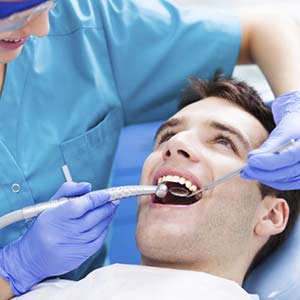
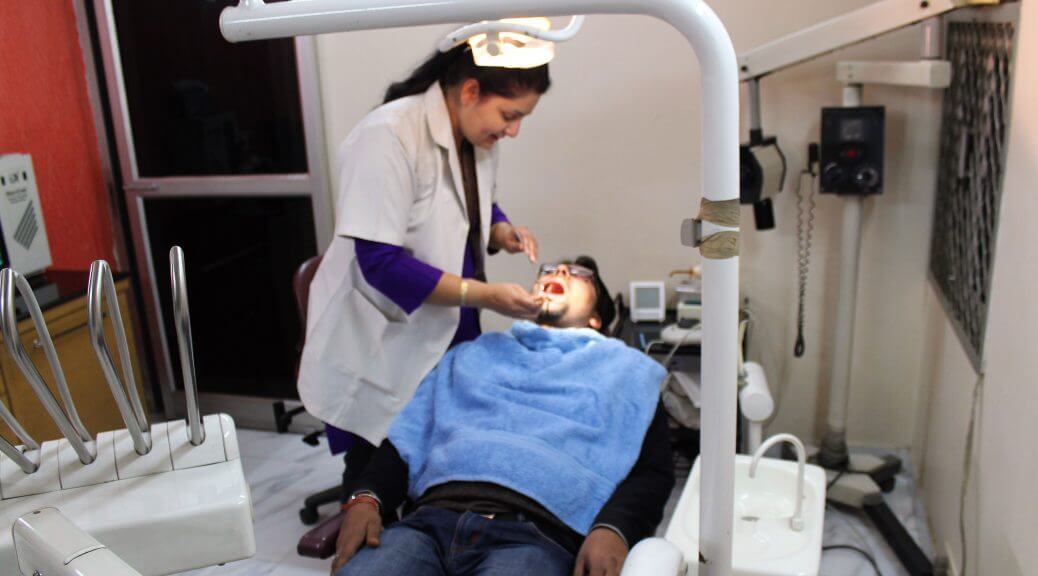
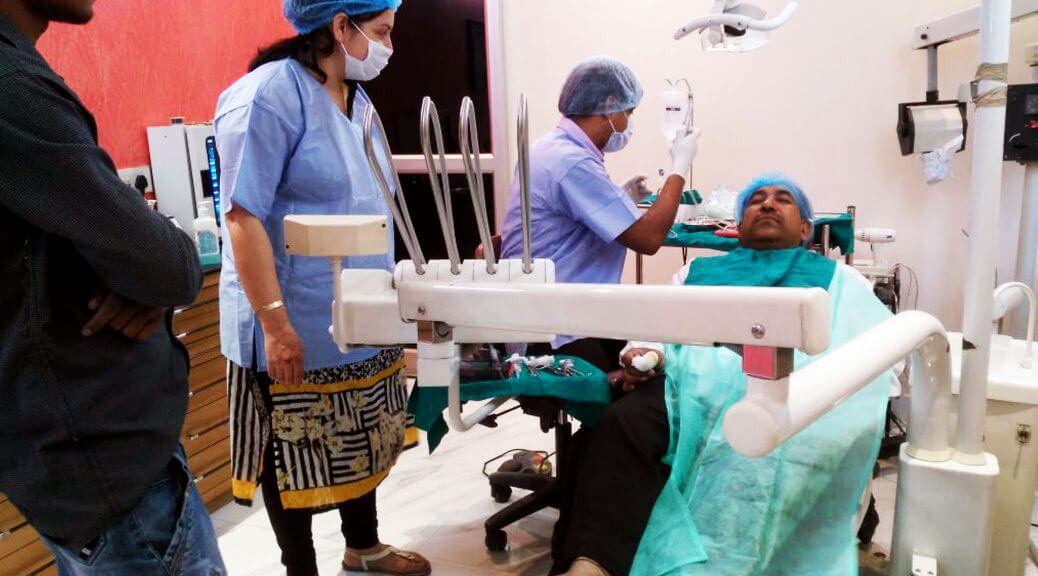
It is the branch of dentistry that deals with surgical and adjunctive treatment of diseases; injuries and deformities of the oral and maxillofacial region. One of the most common procedures undertaken under Oral Surgery is tooth is Extraction of teeth at Ahuja Eye Centre and Dental Clinic. Although extraction is the last resort taken under Oral surgery, when all other possibilities of reviving the damaged or infected tooth are completely exhausted, and the only way ahead is removal of tooth from the socket.

Since these procedures can be quite painful, they are most carried out under the influence of a local anaesthetic in the affected region. Some people who are more sensitive to pain are given general anaesthesia to carry out the process of tooth extraction from their mouth. Another complication that may necessarily require an oral surgical procedure is Impactions. Impactions are nothing but the inability of the permanent tooth to erupt out of the gum in an expected time period. When this tooth fails to erupt in the usual expected time, it is exposed out by cutting into the excess tissues that may have been stopping it from coming out.

The procedures covered under this branch of dentistry include…

  • Tooth extractions with local anaesthesia
  • Tooth extractions with general anaesthesia
  • Impactions (Most commonly found with molars & Canines)
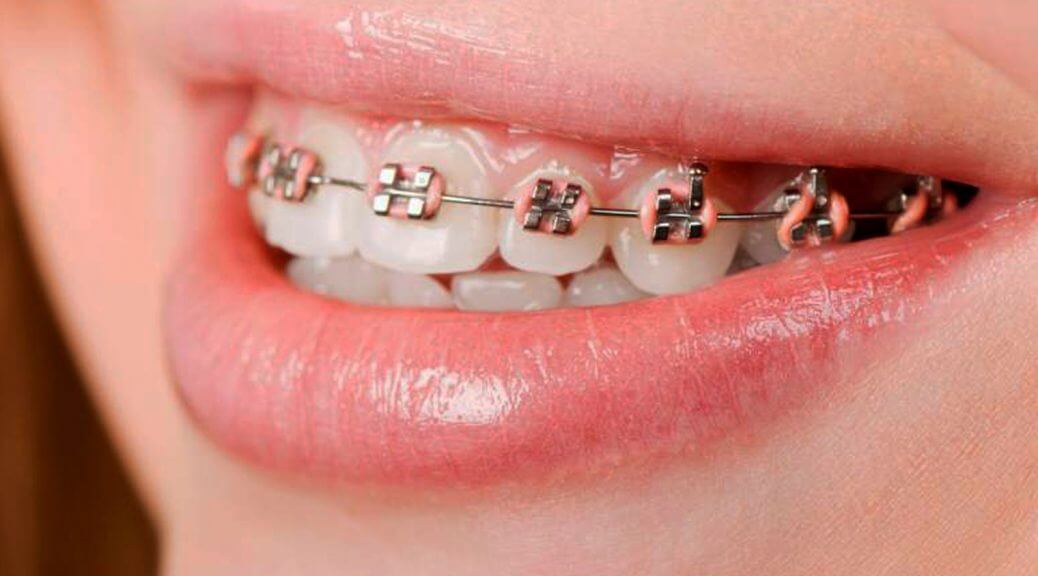
Orthodontia

Under this branch of dentistry, irregularities in the teeth and jaws are treated with the help of surgical and nonsurgical procedures. Orthodontics specializes in protecting people’s bites (occlusion) and maximizing the effectiveness of teeth in carrying out their biting function while eating food. It also helps in creating that perfectly aligned smile which we all aspire to have a better impact on people.

Orthodontics also provides a perfect solution for the problem of crooked teeth and teeth that are not aligned together properly. By relocation of teeth and the roots holding them underneath, orthodontics can help in aligning the teeth with each other to improve appearance and bite’s effectiveness as well. It also minimizes the risk of tooth decay and the subsequent periodontal diseases that might be caused afterwards. Not to mention handling the problem of added pressure on chewing muscles which could easily lead to headaches, TMJ syndrome, and the inferiority complex that comes with flashing crooked teeth in front of others.

With Orthodontics, people can also go for braces and aligners to improve their facial appearance, which work by reshaping the jaw bone to create a perfect alignment with the upper and lower teeth. It can also help in adjusting overlapping teeth to settle in the symmetry of the shape, so that the affected persons can bid adieu to all their worries about the appearance of their teeth.

The procedures covered under this branch of dentistry include…

  • Full metal braces
  • Semi-esthetic braces
  • Full-esthetic braces
  • Lingual braces
  • Aligners

Periodontia

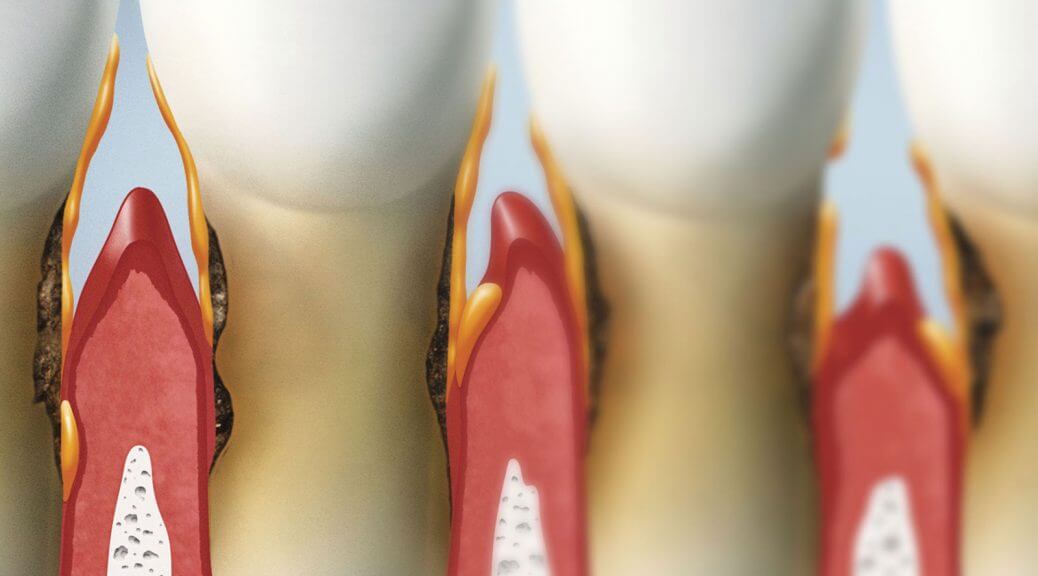
It is the branch of dentistry that studies and treats disease of the bone, connecting tissue, and gum surrounding a tooth. Under non-surgical periodontal procedures, deep cleanings of gums is carried out along with scaling and root plaining followed by adjunctive therapy with antibiotics. In permanent Dental Implants, the process of placing an artificial tooth root in the jaw bone and its subsequent binding through a process called Osseo-integration is also covered under periodontal procedure.

Periodontal surgical procedures also include Regeneration, which involves removal of bacteria from under the gum tissues and use of bone grafts or tissue-stimulating proteins later on to encourage body’s natural ability to regenerate bone and tissue. It also includes smoothening of irregular surfaces of bones to remove possible areas where bacteria could take shelter and grow again, so that gum tissues have a better chance of re-attaching to the bone and growing back again.

A procedure called Gingivectomy which involves removal of extra tissues from the gums to expose a larger area of the teeth is also a surgical periodontal procedure carried out to enhance appearance of the teeth, and also to lessen more possible hideouts for bacteria and infection from growing in the mouth. Another procedure called Gingival Sculpting, which involves removal of excess gum & bone tissue to expose more area of the teeth is also periodontal procedure to give the person a broader and better smile.

The procedures covered under this branch of dentistry include…

  • Deep Cleansing of Gums
  • Process of Osseo-integration
  • Regeneration of bones and tissues
  • Gingivectomy
  • Gingival Sculpting or Crown lengthening
  • Soft tissue grafting
  • Ridge Augmentation

Pediatric Ophthalmology

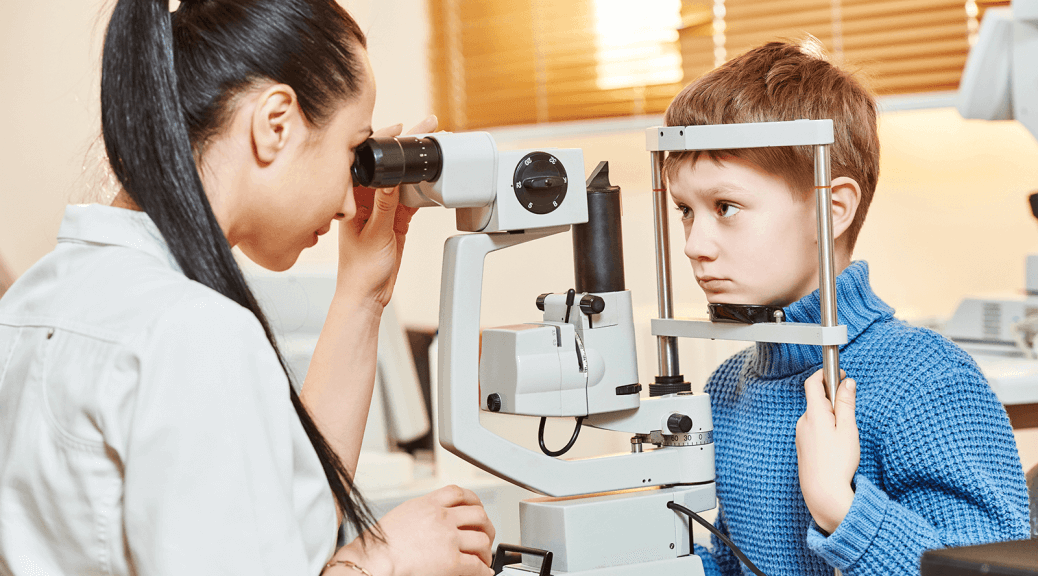
The Paediatric ophthalmology services offered at Ahuja Eye Centre and Dental Clinic are for all patients below 18 years of age. Services offered under this speciality include…

  • Refractive errors correction
  • Children below the age of 7 years require three visits in total & above 7 years till 16 require two visits. Detection of refractive error in children is itself a big challenge

  • Amblyopic Management
  • To ensure that a child is given the best possible chance to develop normal vision, patching a technique for treating amblyopia may be continued for a few months even after vision stabilizes. Close monitoring is necessary throughout childhood.

  • Squint Correction through lenses or surgery according to the case
  • Congenital Cataract
  • Congenital Dacryocystitis
  • Paediatric retina surgeries
  • Paediatric glaucoma surgeries

Orbit & Oculoplasty

Oculoplasty is carried out to handle a large number of eye ailments involving the eye, eye socket, eye lid, tear secretion and drainage system as well as the face. It also concerns with plastic surgery and aesthetics involving the eye and facial areas surrounding the eyes.

Services offered under this speciality include…

(i) Trauma management – like eye lid tear repair, globe rupture repair
(ii) Ptosis (drooping of eye lid) management
(iii) Treatment of eye cancers like retinoblastoma
(iv) Thyroid eye disease management
(v) DCR surgery, canalicular repair to treat watering eye
(vi) Botox injections to treat skin wrinkles, lid spasms
(vii) Entropion and Ectropion (inward and outward turning of eye lid) correction
(viii) Evisceration/enucleation and implantation – specialized surgery where the diseased eye is extracted and an artificial ball is placed in the socket to enhance the convenience level and the appearance of eyes.

Refractive Surgery

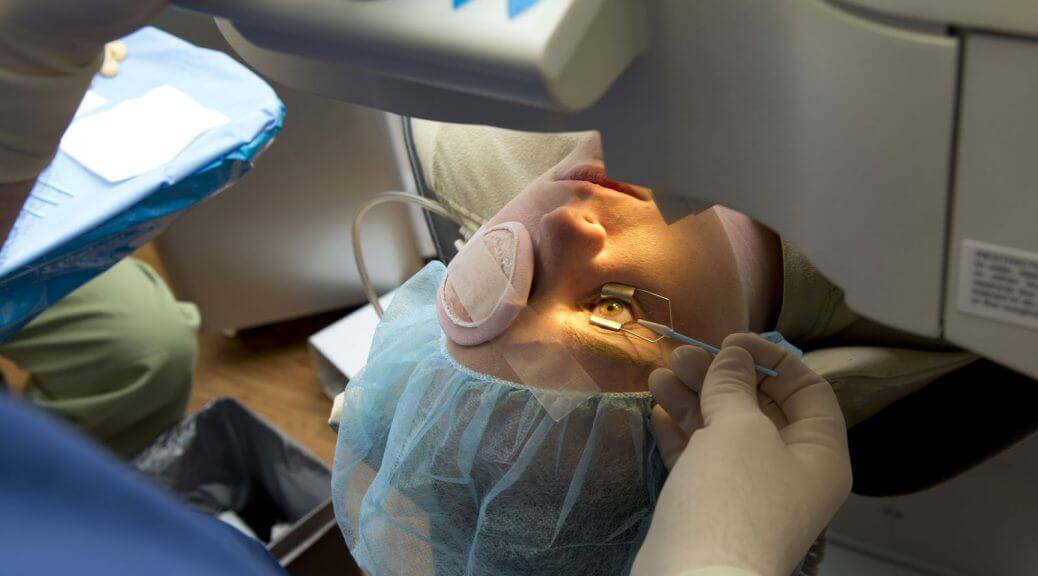
At Ahuja Eye Centre and Dental Clinic, there are various surgical options offered to people who want to get rid of spectacles forever. Among the most commonly carried out surgical procedures, LASIK is the most effective and most complications free procedure.

For patients who are not fit for lasik other options of glasses removal such as ICL(implantable Contact Lens) is also available

Glaucoma

Glaucoma is a type of disease that causes weakening and damaging of eye’s optic nerve, and with increase in pressure inside the eye, it can also result in loss of vision and ultimately blindness. Since the function of the optic nerve is to relay the images seen to the brain, its ability to convey that important piece of information is seriously hampered when it gets damaged, and the brain is no longer able to interpret the imagery seen by the person’s eye.

The worst thing about this ailment is that it does not show any signs in its early stages, and the symptoms only occur when the damage to the optic nerve crosses an alarming 70%. In cases where eye pressure is not controlled with medication or is at an advanced level, such cases have to undergo a surgery called “trabeculectomy” to enhance fluid drainage and preserve the eye pressure at a standard level. If the trabeculectomy surgery fails to manage the eye pressure, other procedures like “glaucoma drainage device implantation”, “cyclocryotherapy”; may be required to address the ailment.

Vitreoretina Services

Vitreoretina department handles all the diseases of the posterior segment of the eye like diabetic retinopathy, retinal detachment, age related macular degeneration, infections, trauma, etc.

At Ahuja Eye Center and Dental Clinic, we have a well established retina set up including services of trained retina specialists, latest investigative modalities like OCT, FFA, B scan and vitrectomy platform for advanced vitreoretinal surgeries.

Cataract

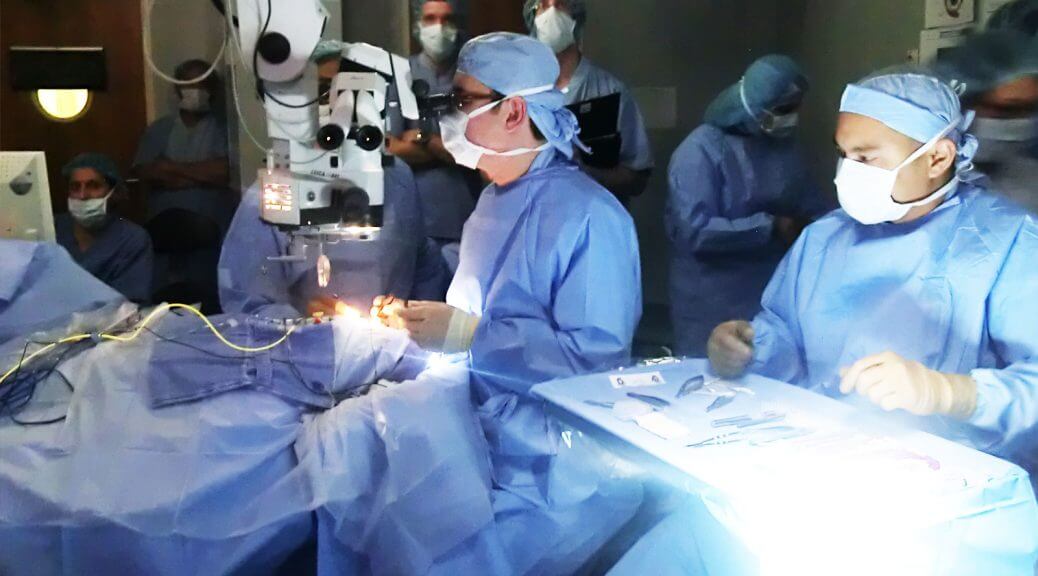
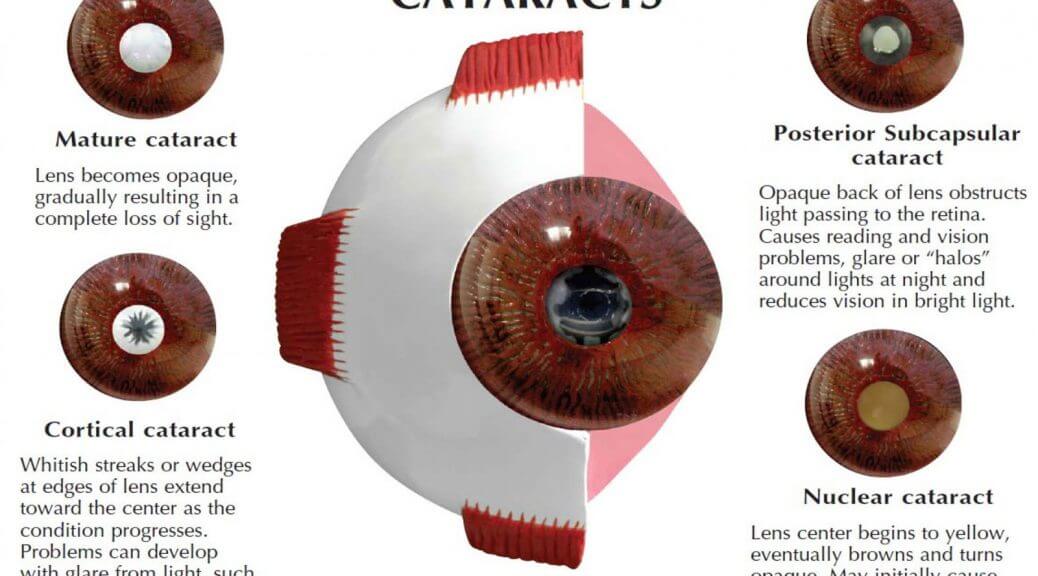
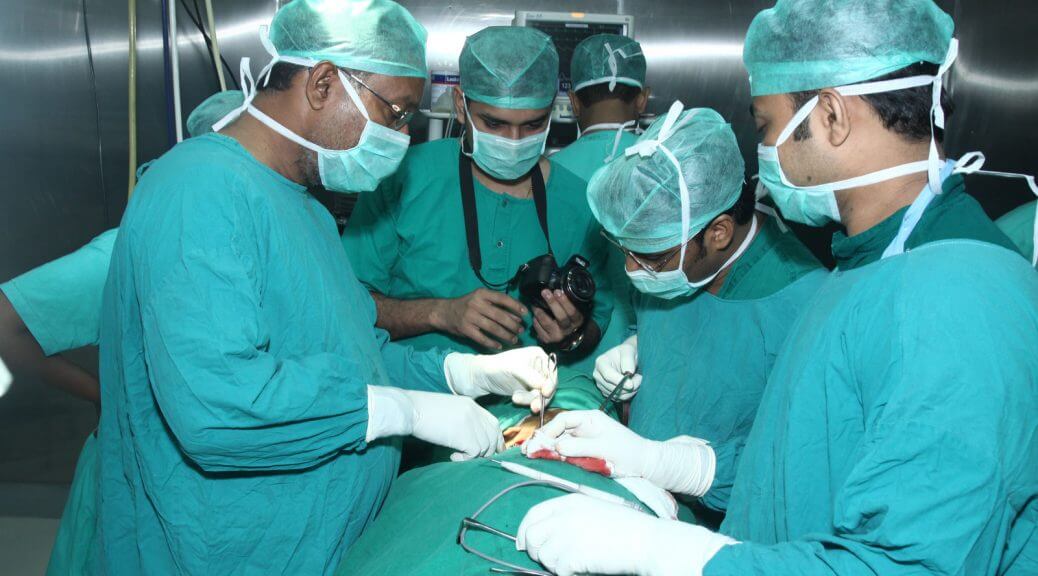
Cataract is a natural part of the eye’s aging process and is the primary reason of treatable blindness in our country. At Ahuja Eye Centre and Dental Clinic, we offer surgery for cataract extraction and intraocular lens implantation in a very simple and safe surgical procedure. Fully equipped with state-of-the-art operation theatres, these surgeries are undertaken in the safest possible way under the watchful eyes of experienced eye surgeons in this field. The procedure has a 98% success rate.

Our experienced and highly skilled surgeons are doing cataract surgeries under Topical Anaesthesia (no injection). There is very little discomfort or inconvenience and patients can usually return home few hours after surgery, as it is a day care procedure. We are implanting the latest available intraocular lenses such as multifocal toric and even trifocal toric with excellent results to provide our patients good unaided vision.

After surgery a bandage will be placed over your eye. You will be advised to rest till you are ready to leave. You should wear protective glasses to avoid accidental injury. The doctor will advise you when to discontinue them. You can bathe carefully from below your neck but do not wet the operated eye for 7 days. You may gently clean the eyelids with a piece of cotton boiled in water or a sterillized tissue.

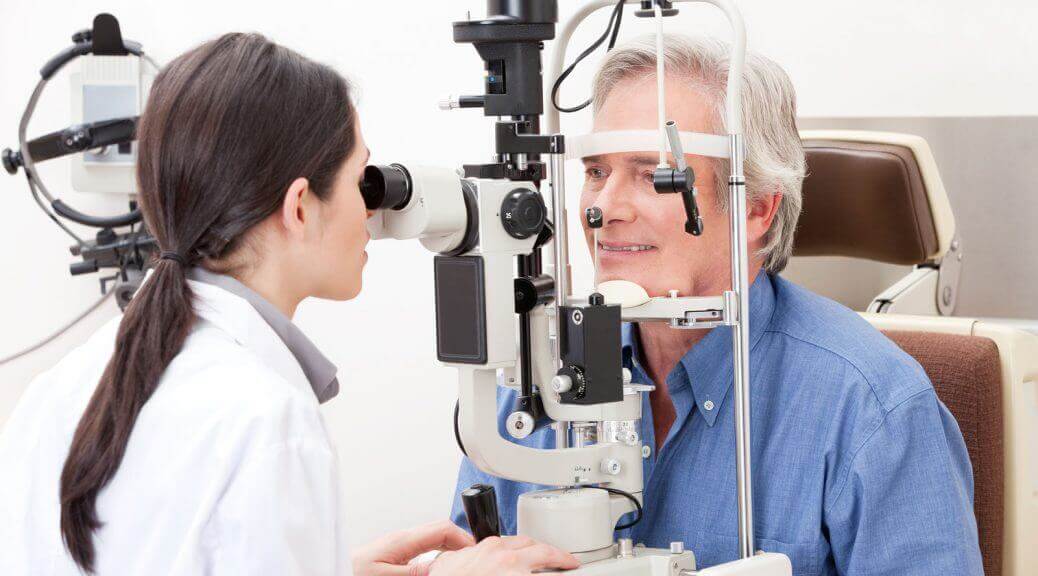
COMPREHENSIVE EYE CARE EXAMINATION2

What is cataract surgery cataract surgery?

Cataract is clouding of the normally clear lens of your eye.
Cataract surgery is a procedure to remove the lens of your eye and replace it with an artificial lens.
Cataract surgery is performed by an eye doctor (ophthalmologist) as a day care procedure, which means you don’t have to stay in the hospital after the surgery. Cataract surgery is generally a very safe procedure.